
Carbon-fibre filament sounds like an instant upgrade. The name suggests stronger parts, cleaner surfaces and professional-looking prints. Sometimes that is true. Carbon-fibre and glass-fibre reinforced filaments can be excellent for brackets, jigs, fixtures, drone parts, tool holders, automotive trim, workshop parts and prototypes that need stiffness. But they are not magic, and they are not always the best choice.
The current filament conversation is full of reinforced materials. 3DPrinting.com's 2026 engineering filament guide points to PETG-CF, PA-CF and other composites as useful options for stronger or stiffer parts, while its composite filament guide keeps highlighting the same warning: abrasive filled filaments need the right hardware. Manufactur3D also reported this month on ELEGOO launching a fibre-reinforced filament series, including PETG-CF, PETG-GF and PAHT-CF. The category is clearly moving into normal desktop FDM printing.
For Australian customers, the practical question is simple: should you actually use it? Before buying a roll of PLA-CF, PETG-CF, PA-CF, PAHT-CF or glass-fibre filament, check what problem you are trying to solve, what your printer can handle, and whether a cheaper easier material would do the job.
What Carbon-Fibre Filament Actually Is
Most desktop carbon-fibre filament is not a continuous carbon-fibre part like you might see in bikes, cars or aerospace parts. It is a plastic base material with chopped carbon fibres mixed through it. The base plastic still matters. PLA-CF behaves differently from PETG-CF. PETG-CF behaves differently from PA-CF. Nylon carbon fibre is a different job again.
The carbon fibres usually make the material stiffer, reduce some warping, improve surface finish and give the print a matte technical look. That can be brilliant for parts that need to hold shape. It can also make parts less flexible and more brittle depending on the base material, fibre loading, print orientation and design.
This is why the label alone is not enough. Ask what plastic the fibre is mixed into. PLA-CF is not the same as PA-CF. A stiff cosmetic PLA-CF part is not the same thing as a tough nylon-CF functional part. The base polymer sets the temperature resistance, toughness, moisture behaviour and general use case.
When It Is Worth Using
Carbon-fibre filament is worth considering when stiffness matters. If a part flexes too much in regular PETG or PLA, a reinforced version may hold its shape better. It can work well for camera mounts, brackets, alignment tools, lightweight fixtures, machine accessories, drone frames, RC parts, handles, holders and parts where a matte black technical finish is useful.
It is also useful when you want a cleaner-looking surface. Many CF-filled materials hide layer lines better than their unfilled versions. That can make prototypes and customer-facing parts look more polished without sanding or painting.
Carbon fibre can also help reduce warping in some engineering materials. Nylon can be strong and useful, but it can warp and absorb moisture. A nylon-CF blend can be easier to print than plain nylon in some situations, though it still needs drying and a capable printer.
When It Is The Wrong Choice
Carbon-fibre filament is not the best choice for every part. If you need a part to bend instead of stay stiff, TPU or regular PETG may be better. If you need impact resistance, the base material and print design matter more than the carbon label. If you need food-safe, skin-contact or certified engineering performance, do not assume a hobby filament is acceptable.
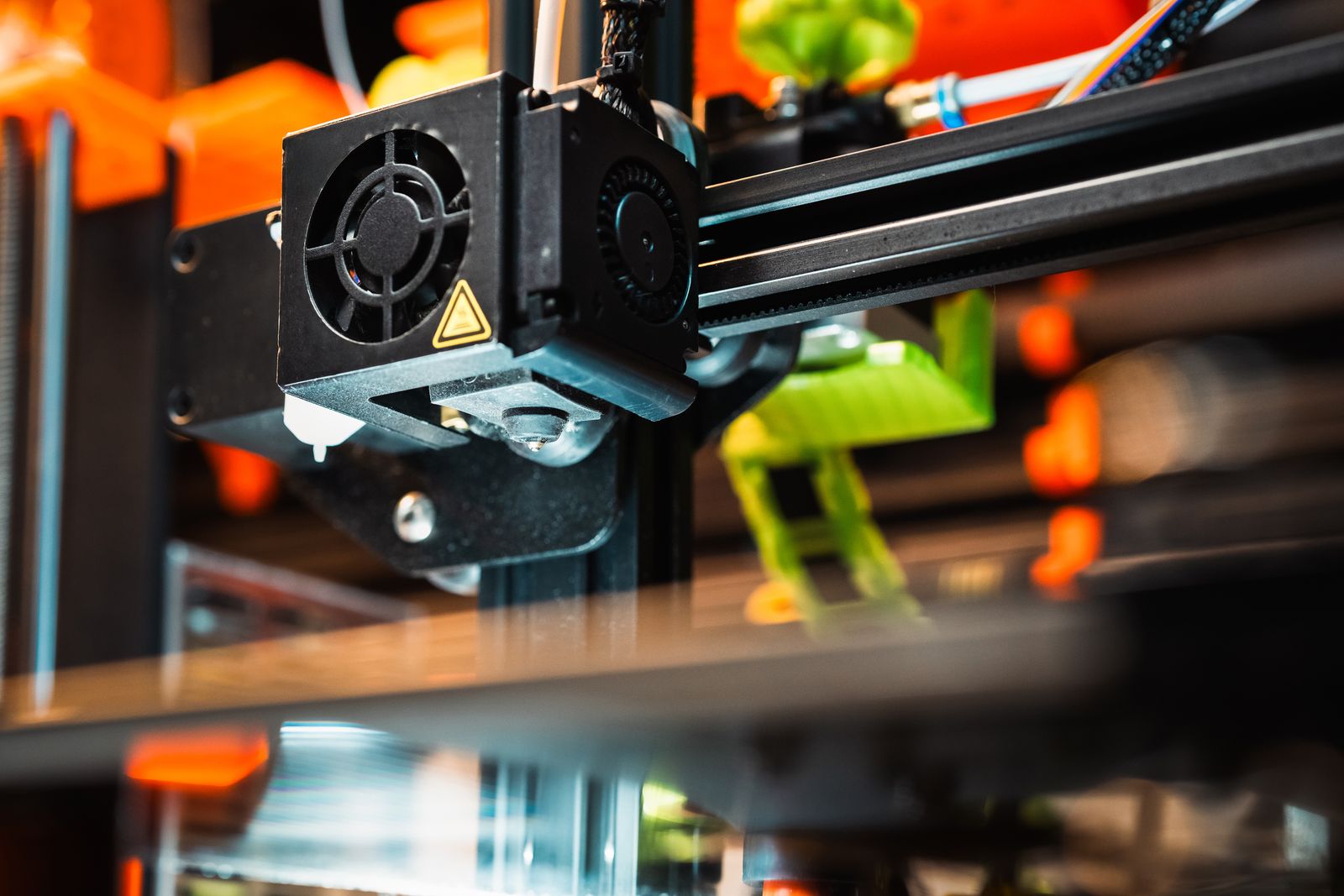
It is also not ideal for beginners who are still learning first layers, extrusion, slicer settings and nozzle changes. Reinforced filament adds hardware wear, drying needs and more variables. Learn the printer with PLA or PETG first. Then move into composites when you know what a normal good print looks like.
Carbon-fibre filament can also be a poor value choice for decorative parts that do not need stiffness. If you only want a nice matte finish, a matte PLA might be cheaper and easier. If you want strength, part design, wall count, infill pattern, layer orientation and material choice may improve the result more than simply buying a CF spool.
You Need A Hardened Nozzle
This is the part people skip, and it gets expensive. Carbon fibre, glass fibre, glow powders and some other filled materials are abrasive. Prusa's composite materials guide says carbon, glass and kevlar fibres are highly abrasive and require a hardened nozzle. MatterHackers gives the same general advice for abrasive materials and composite nylons.
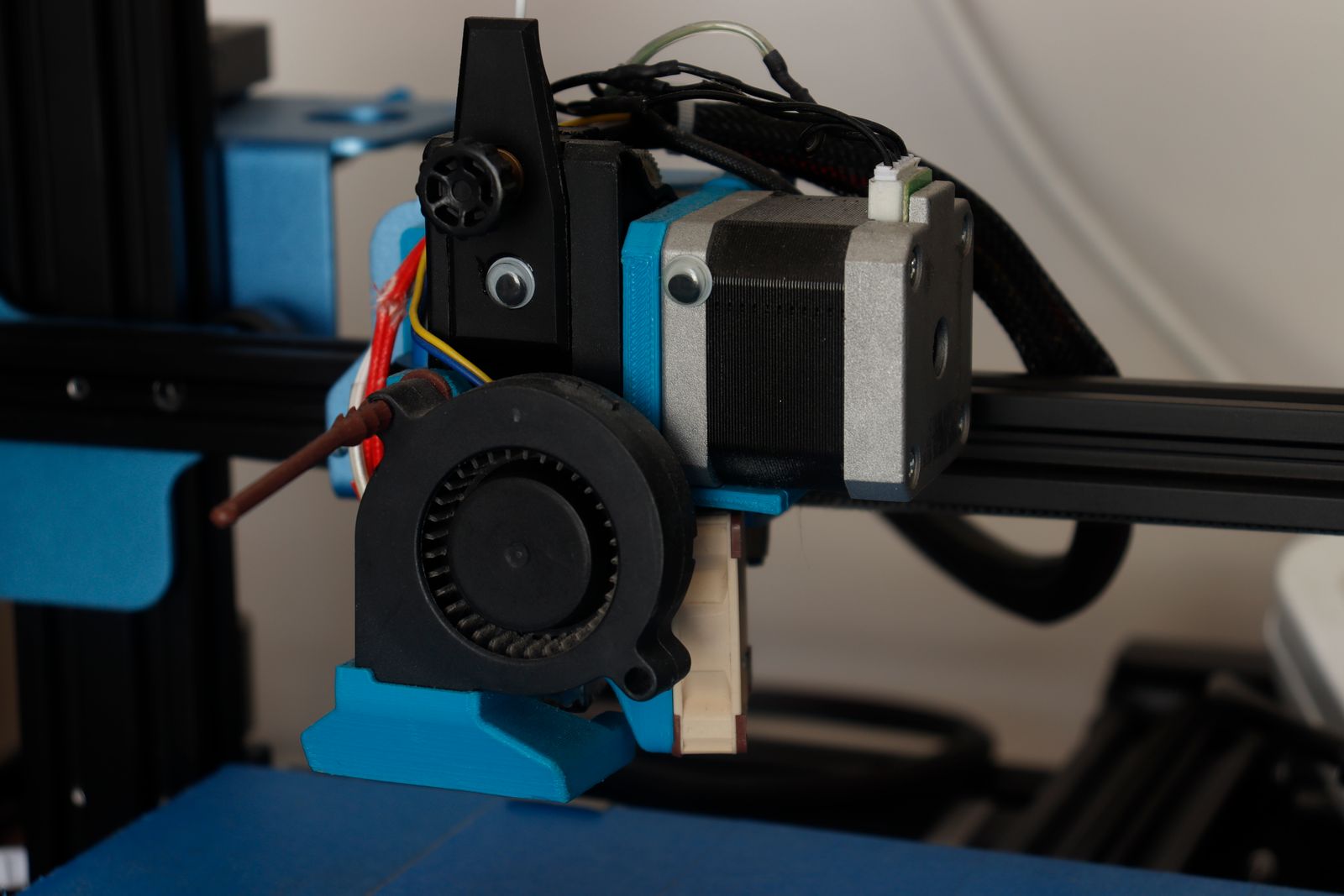
A brass nozzle may print a little carbon-fibre filament, but it can wear quickly. As the nozzle wears, the hole grows, extrusion changes, details get worse, and your carefully tuned profiles stop behaving. If you want to print CF or GF materials more than once or twice, fit a hardened steel, nozzle-X style, ruby, tungsten carbide or other suitable abrasive-rated nozzle for your printer.
Also consider nozzle size. Many users move to 0.6 mm for filled filaments because chopped fibres can clog smaller nozzles more easily. That does not mean 0.4 mm is impossible with every material, but a larger nozzle is often more forgiving.
Drying Matters Even More
Yesterday's wet-filament topic matters again here. Many composite filaments are moisture-sensitive, especially nylon-based materials. Polymaker's PA6-CF20 product information describes it as carbon-fibre reinforced PA6 nylon, and nylon is well known for needing careful drying and storage. PETG-CF can also suffer from moisture problems. Wet composite filament can string, pop, under-extrude, print rough and clog more often.
If you buy PA-CF, PAHT-CF or another nylon composite, plan for a dryer or dry box before you buy the spool. Do not leave it open in a Queensland garage and expect perfect results later. Dry it according to the filament maker's instructions, store it sealed, and print from a dry box if the material needs it.
Drying is not an optional advanced trick for these materials. It is part of the material cost.
Design The Part For The Material
A carbon-fibre filament will not save a bad part design. If the force is across layer lines, the part can still split. If a bolt hole is too close to an edge, it can still crack. If a bracket has sharp internal corners, stress can concentrate there. If the model is printed in the wrong orientation, stiffness may not help where you need it.
Use rounded corners, thicker bosses, sensible wall counts and print orientation that matches the load. For jigs and fixtures, increase walls before throwing huge infill at the model. For brackets, think about the direction of force. For parts with screws, consider heat-set inserts or proper clearance instead of over-tightening into brittle material.
A 2026 PLA-CF study in the Journal of Materials Science: Materials in Engineering looked at how FDM settings affect flexural strength in PLA-CF structures. The useful takeaway for everyday makers is that settings still matter. Layer height, temperature, speed and raster orientation can change performance. The material name alone does not guarantee the result.
PLA-CF, PETG-CF Or PA-CF?
PLA-CF is usually the easiest way into the category. It can look excellent and print neatly, but it keeps many of PLA's limitations. It is not the answer for hot car interiors, outdoor heat or high-impact mechanical jobs.
PETG-CF can be a useful middle ground. It may offer better temperature resistance and toughness than PLA-CF while keeping printing easier than nylon composites. It still needs drying, a hardened nozzle and a tuned profile.
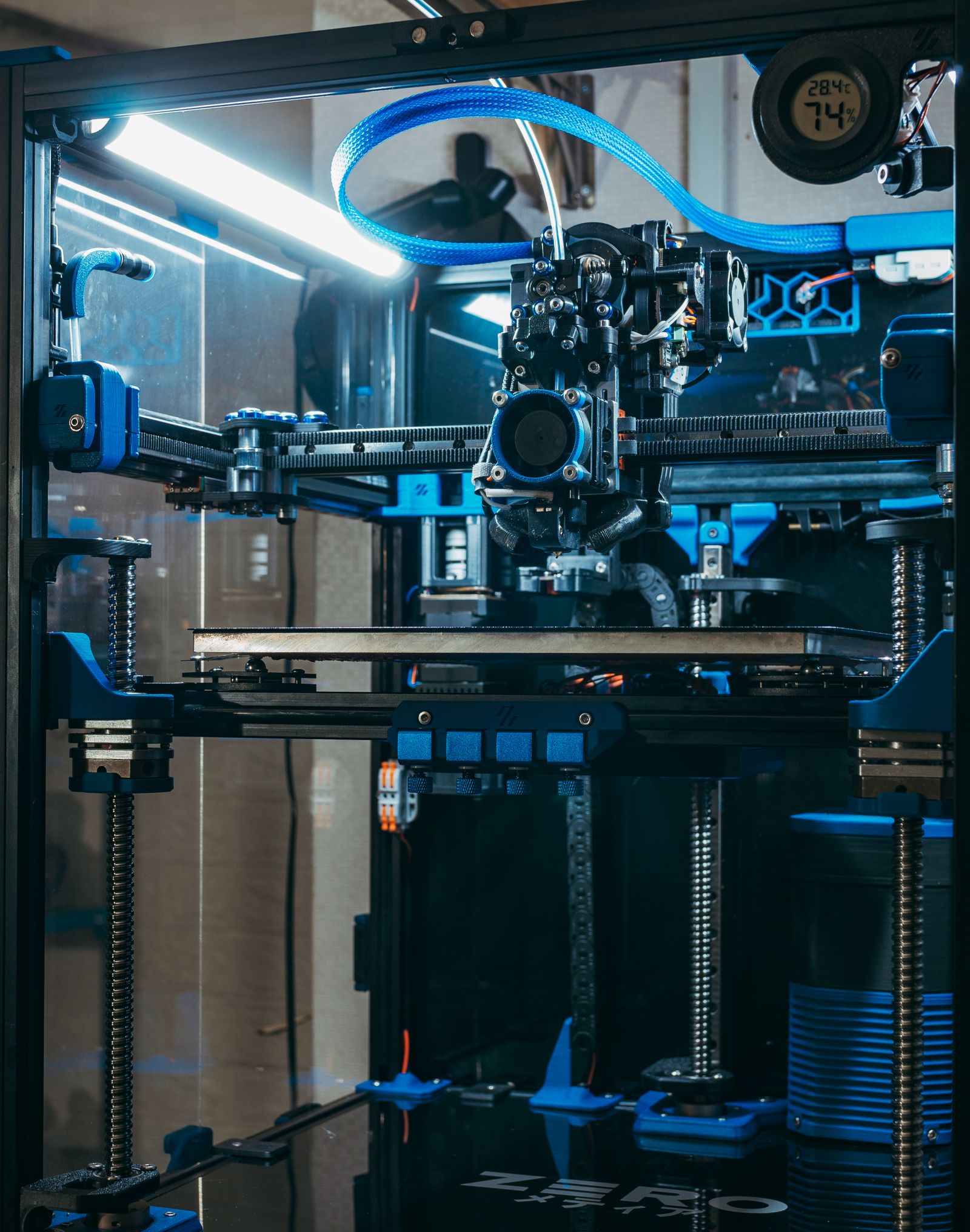
PA-CF and PAHT-CF are more serious engineering-style materials. They can be excellent for functional parts, but they usually need higher temperatures, very dry filament, a capable hotend, suitable bed surface, enclosure control and more patience. Do not buy nylon-CF unless your printer and workflow are ready for it.
Glass-fibre filled materials sit in a similar conversation. PETG-GF or nylon-GF may offer stiffness and dimensional stability, but they are still abrasive and still need correct drying and hardware.
A Practical Buying Checklist
- What problem am I solving: stiffness, heat, surface finish, weight or strength?
- Is the base material PLA, PETG, ASA, nylon or something else?
- Does my printer reach the required nozzle and bed temperatures?
- Do I have a hardened nozzle fitted?
- Should I use a 0.6 mm nozzle for this filament?
- Does the material need an enclosure?
- Can I dry and store the spool properly?
- Will the part be loaded in a direction that suits FDM printing?
- Would regular PETG, ASA, TPU, PLA+ or nylon do the job more easily?
- Do I need any certification or safety requirement that hobby filament cannot provide?
The MatesMaker Take
Carbon-fibre filament is useful when you treat it like a specific tool, not a universal upgrade. It can make stiff, clean, professional-looking parts. It can also wear a brass nozzle, clog a small hotend, absorb moisture and disappoint you if the part design is wrong.
For Australian makers, the smart path is simple. Start with the job. Pick the base material first. Upgrade the nozzle. Dry the spool. Print a small test. Then commit to the big part. If the part only needs to look nice, do not overbuy. If it needs to work hard, design it properly and choose the material for the load.
Carbon fibre is not magic. Used well, it is a very handy material. Used blindly, it is just expensive filament with sharper teeth.
Further Reading
- 3DPrinting.com: Best engineering 3D printer filaments 2026
- 3DPrinting.com: Best composite filaments 2026
- Prusa Knowledge Base: Composite materials filled with carbon, kevlar or glass
- Polymaker Fiberon PA6-CF20
- Manufactur3D: ELEGOO fibre-reinforced filament series
- Springer Nature: PLA-CF FDM parameter study