
If your 3D printer suddenly starts stringing, popping, bubbling or making weak rough parts, the printer might not be the problem. The spool might be wet. Filament moisture is one of those boring workshop issues that keeps causing real print failures, especially in humid Australian homes, garages and sheds.
It is easy to underestimate because filament looks dry. PLA, PETG, TPU, nylon and other materials can absorb moisture from the air without looking different on the spool. Then the water turns into steam at the hotend, causing tiny bubbles, rough extrusion, weak layer bonding, stringing and inconsistent flow. A print that looked perfect last month can turn messy after the spool has sat open through humid weather.
Recent filament storage guides from Forgely and 3devo both make the same point: moisture control is not only for advanced users. It is basic 3D printing maintenance. For Australian customers, particularly around coastal Queensland and other humid areas, dry storage can be the difference between a clean print and a wasted afternoon.
What Wet Filament Looks And Sounds Like
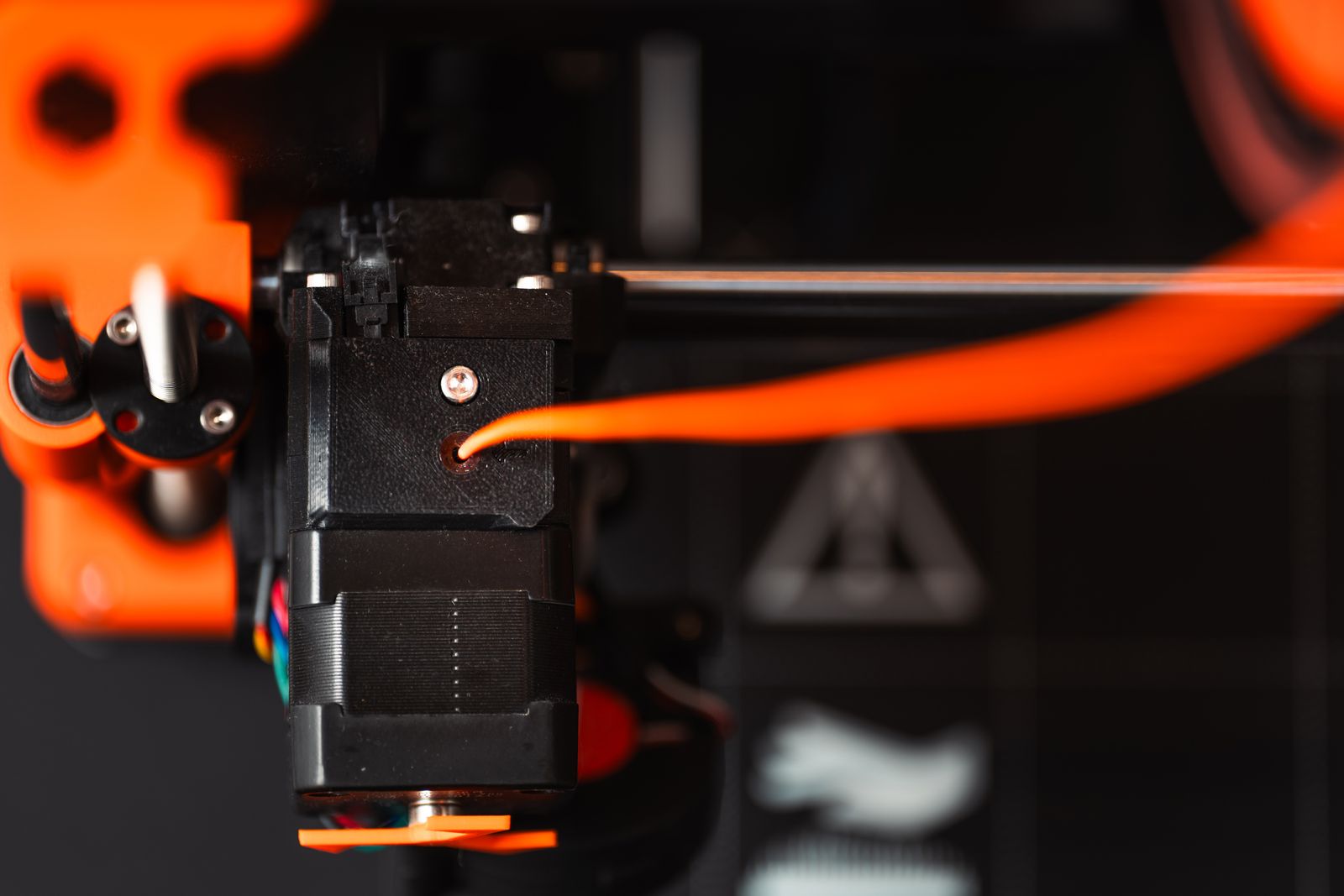
The easiest clue is sound. Wet filament can pop, crackle or hiss as water flashes into steam in the hotend. You might see tiny bubbles in the extruded plastic. The surface can look rough or foamy instead of smooth. Stringing can get worse even when the slicer settings have not changed. Layers may look inconsistent, and the part may feel weaker than usual.
Some spools become brittle and snap. Others keep their shape but print badly. PETG may become extra stringy. TPU can turn into a webbed mess. Nylon can become almost unusable if it has absorbed enough moisture. PLA is usually more forgiving, but it is not immune, especially if the spool has lived open in a humid room for weeks.
The key is to compare against a known-good spool. If the printer has been reliable and only one roll is misbehaving, test with a fresh or properly stored PLA spool. If the problem disappears, you have found the likely cause without tearing the hotend apart.
Why Humidity Matters In Australian Workshops
A lot of Australian printers live in garages, spare rooms and sheds. Those spaces can be hot during the day, cooler at night, and humid after rain. Air conditioning may only run when people are in the room. Doors open and close. Spools sit on holders, in AMS-style units, on shelves or half-used in drawers.
That is normal, but it means filament storage has to be part of the setup. A spool left open in a dry climate may behave for much longer than the same spool left open near the coast. The material matters too. Nylon, TPU, PVA, polycarbonate and many filled materials need more care. PETG is more moisture-sensitive than many beginners expect. PLA is the forgiving everyday choice, but even PLA can eventually show moisture symptoms.
Do not wait until every print fails. Treat filament like workshop stock. Open it, label it, store it, and know which rolls are fresh, old, dry or suspicious.
Dry Box, Dryer Or Storage Box?
These three things are related, but they are not exactly the same.
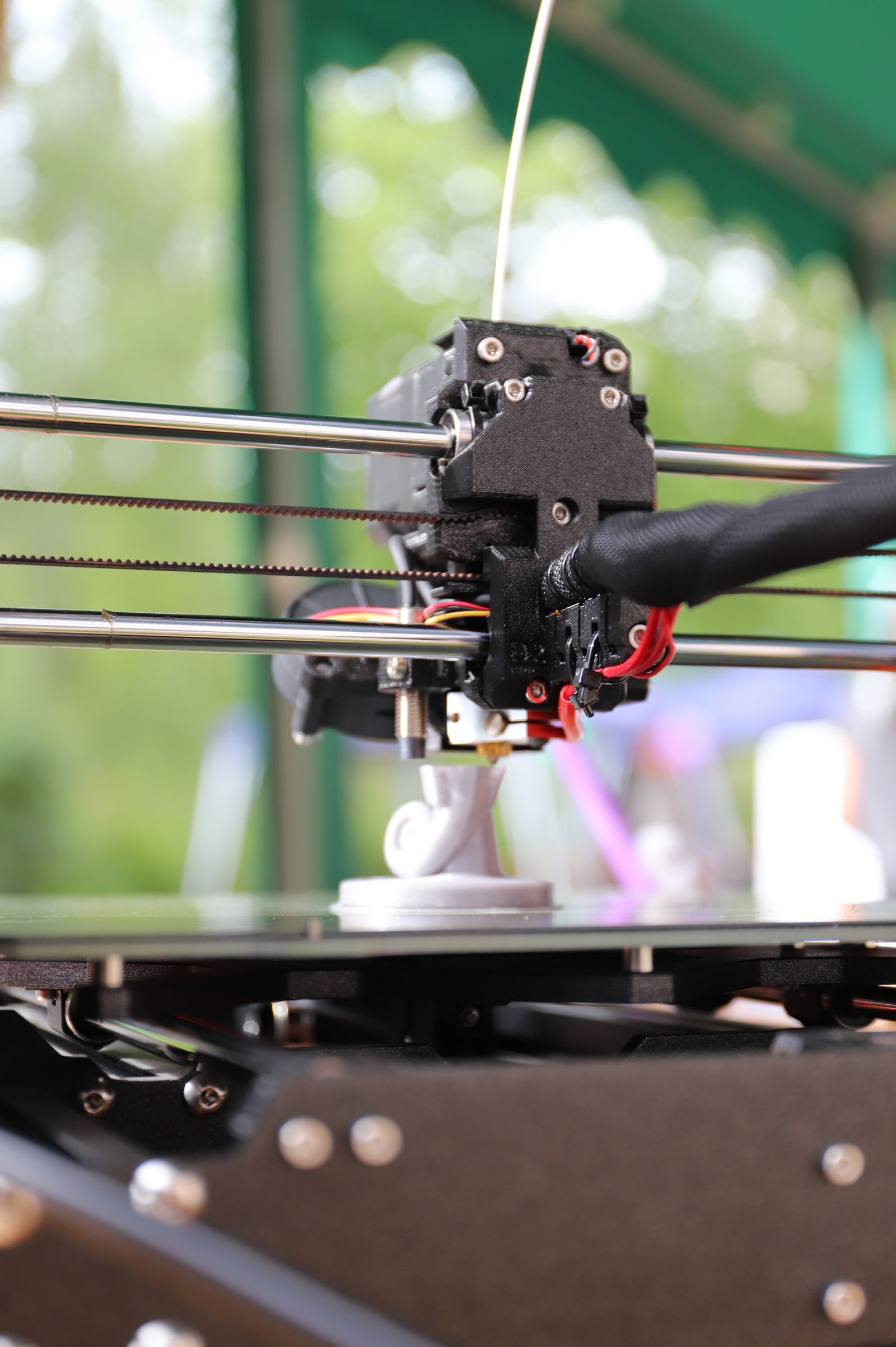
A storage box keeps dry filament dry. Airtight containers, vacuum bags, gasketed cereal boxes, tubs with desiccant and sealed storage cabinets all fit here. This is what most PLA and PETG owners need first. Add desiccant and a small humidity meter if you can. The goal is to stop a good spool from becoming a bad one.
A dry box lets you print from a protected container. This is useful for longer prints, humid rooms or materials that absorb moisture quickly. Some boxes are simple sealed containers with a filament outlet. Others include rollers and humidity control.
A filament dryer actively warms the spool to drive moisture out. 3DPrinting.com's 2026 filament dryer guide points out that a dryer removes moisture at the source instead of only protecting the spool afterward. This matters when a spool is already wet. A storage box will slow future moisture pickup, but it usually will not rescue a wet spool quickly.
Do Not Guess Drying Temperatures
Drying filament is useful, but overheating can ruin a spool. PLA can soften or deform if it gets too hot. TPU can become awkward if treated roughly. Nylon often needs more heat and time than PLA. Different brands use different blends, so the safest habit is to check the filament maker's drying guidance.
Polymaker's PETG product information, for example, warns that PETG is very hygroscopic and gives drying settings for that material. Snapmaker's filament storage guide gives general material guidance across PLA, PETG, TPU and nylon. Those details matter because the right drying setup for one material may be wrong for another.
If you use a dedicated filament dryer, follow its manual. If you use a food dehydrator or oven, be careful. Many household ovens swing above the set temperature and can soften or warp filament. Do not put a plastic spool into heat unless you know the spool and filament can handle it.
Simple Storage Setup That Works
You do not need a complicated setup to improve print quality. Start with the basics. Keep unopened spools sealed until you need them. When you open a spool, write the date on the label or bag. Store it in an airtight box or vacuum bag when you are finished printing. Add desiccant. Recharge or replace the desiccant when it stops working. Keep the box away from direct sun and heat.
If you run several materials, separate them by type. Keep PLA together, PETG together, TPU together and nylon in a more serious dry setup. Keep problem spools marked so you do not accidentally use them for customer work or long prints. If you have a spool that strings badly, dry it and test again before throwing it out.
A cheap humidity meter inside a storage box can help, but do not worship the number. Use it as a warning tool. If the box humidity creeps up, recharge the desiccant or check the seal. If the filament prints badly even with a low reading, it may already be wet and need active drying.
When To Dry Before Printing
Some materials should be dried as a normal part of the workflow. Nylon, PVA, TPU and polycarbonate are common examples where moisture can cause major problems. PETG often benefits from drying, especially when it has been open for a while. PLA can usually be easier, but dry PLA still prints more consistently than a neglected spool.
Dry before an important print if the spool is old, if it has been left out, if the room has been humid, if the material is known to absorb moisture, or if you hear popping from the nozzle. Dry before blaming the slicer. Dry before replacing a nozzle. Dry before changing five retraction settings in a panic.
That does not mean every single PLA print needs a dryer. It means moisture should be on your troubleshooting checklist. If the same printer and same file suddenly print worse, ask what changed about the filament.
Mistakes That Ruin Good Filament
The first mistake is leaving spools mounted for days or weeks in a humid room. That is fine for short periods, but it is not a storage plan. The second mistake is storing spools in open shelves because they look tidy. They may look organised and still be slowly absorbing moisture.
The third mistake is assuming a new spool is always dry. Many spools arrive fine, but not all do. If a brand-new roll prints badly, dry it before deciding the printer is broken. The fourth mistake is using damp desiccant forever. Desiccant has a job, and once it is saturated it needs to be recharged or replaced.
The fifth mistake is drying too hot. A melted or warped spool is worse than a wet one. Use the material maker's guidance and stay cautious with improvised drying setups.
A Quick Filament Storage Checklist
- Keep unopened spools sealed until needed.
- Label open date and material type.
- Store open spools in airtight boxes, vacuum bags or dry cabinets.
- Add desiccant and recharge it when needed.
- Use a humidity meter if you can.
- Dry wet filament before important prints.
- Do not overheat PLA or plastic spools.
- Keep nylon, TPU, PVA and PETG under closer moisture control.
- Use a known-good dry spool for troubleshooting.
- Do not leave spools open in a humid shed for weeks.
The MatesMaker Take
Dry filament is not glamorous, but it is one of the easiest ways to get cleaner prints. It helps reduce stringing, bubbling, weak walls, inconsistent extrusion and mystery failures. It also saves time because you stop blaming the printer for problems caused by the spool.
For Australian makers, especially in humid areas, filament storage should be part of the first 3D printer setup. A few sealed boxes, desiccant packs and a sensible drying routine can do more for print quality than another random upgrade.
If a print suddenly goes bad, slow down. Check the spool. Listen for popping. Look for bubbles. Try a known-good filament. Dry the suspect roll. Then tune the slicer if you still need to. Good printing starts before the filament ever reaches the nozzle.